
Human trafficking awareness needs a reporting plan, not a confrontation
Transportation workers can notice concerning patterns, protect immediate safety, and move facts to the right authority without trying to investigate on their own.
 Connect the records, conversations, and follow-up that keep a carrier moving.
See how it works ↗
Connect the records, conversations, and follow-up that keep a carrier moving.
See how it works ↗
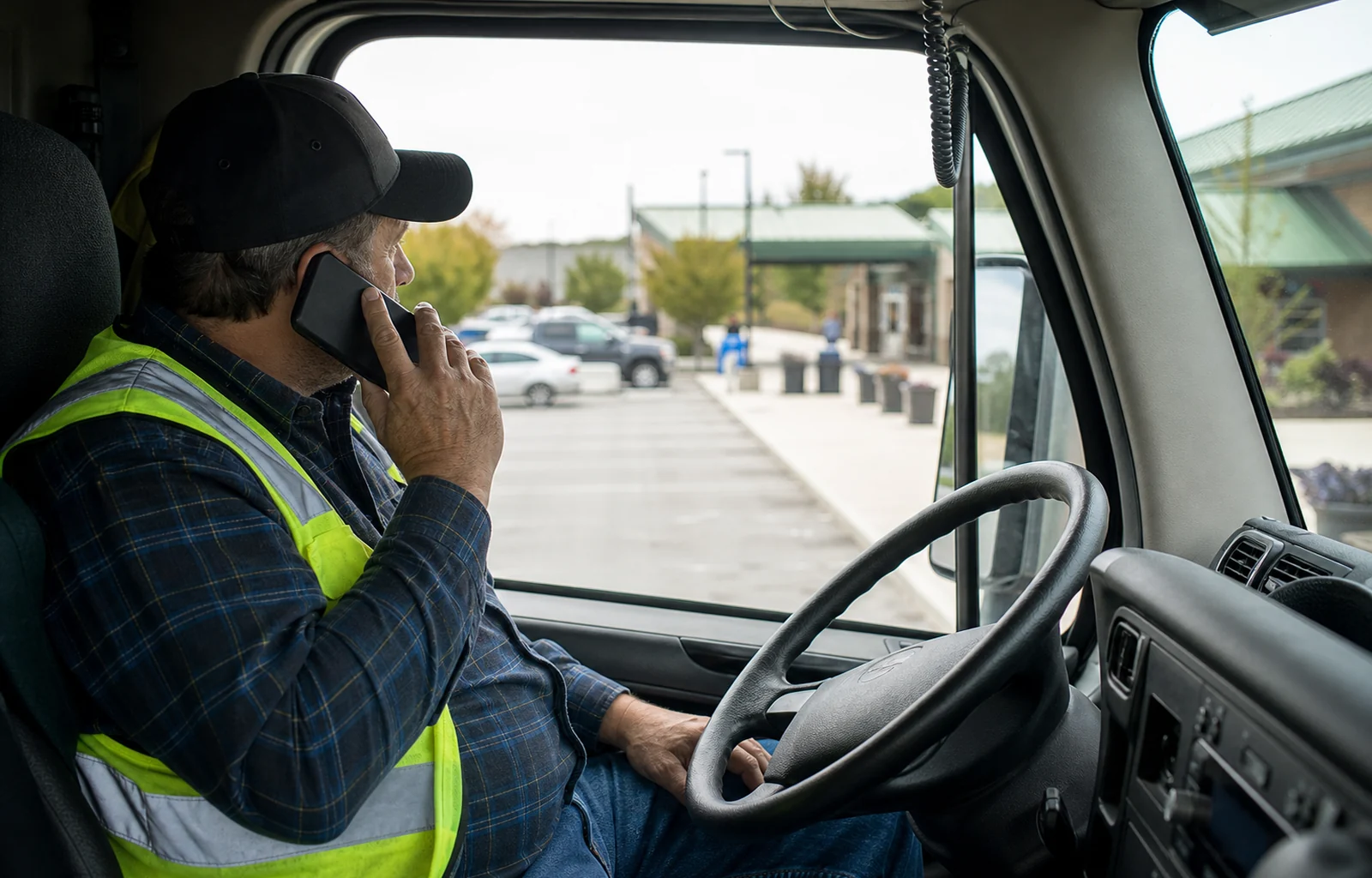
Transportation workers see fragments of public life: a person who appears closely monitored, a traveler who cannot speak freely, a vehicle that returns repeatedly, or an interaction that simply does not fit the setting. Those observations can matter, but they do not turn a driver, dispatcher, fuel-desk employee, or manager into an investigator. A useful fleet plan defines how to notice, report, and step back safely.
The commercial-vehicle community is already being asked to play that role. The Commercial Vehicle Safety Alliance reported that 56 North American jurisdictions participated in its 2026 Human Trafficking Awareness Initiative. Participants reported providing outreach training to 9,274 people, distributing tens of thousands of awareness materials, conducting thousands of commercial-vehicle inspections, and generating more than 15 million public-service-announcement impressions. The numbers show broad activity; they do not measure how many individual trafficking cases the outreach prevented or identified.
FMCSA's current Your Roads, Their Freedom resources explain why transportation matters: traffickers may use truck stops, rest areas, bus stations, and other travel locations to recruit or move people. The same guidance carries an essential guardrail. Indicators can support suspicion, especially when several appear together, but the presence or absence of any one indicator is not proof that trafficking is occurring.
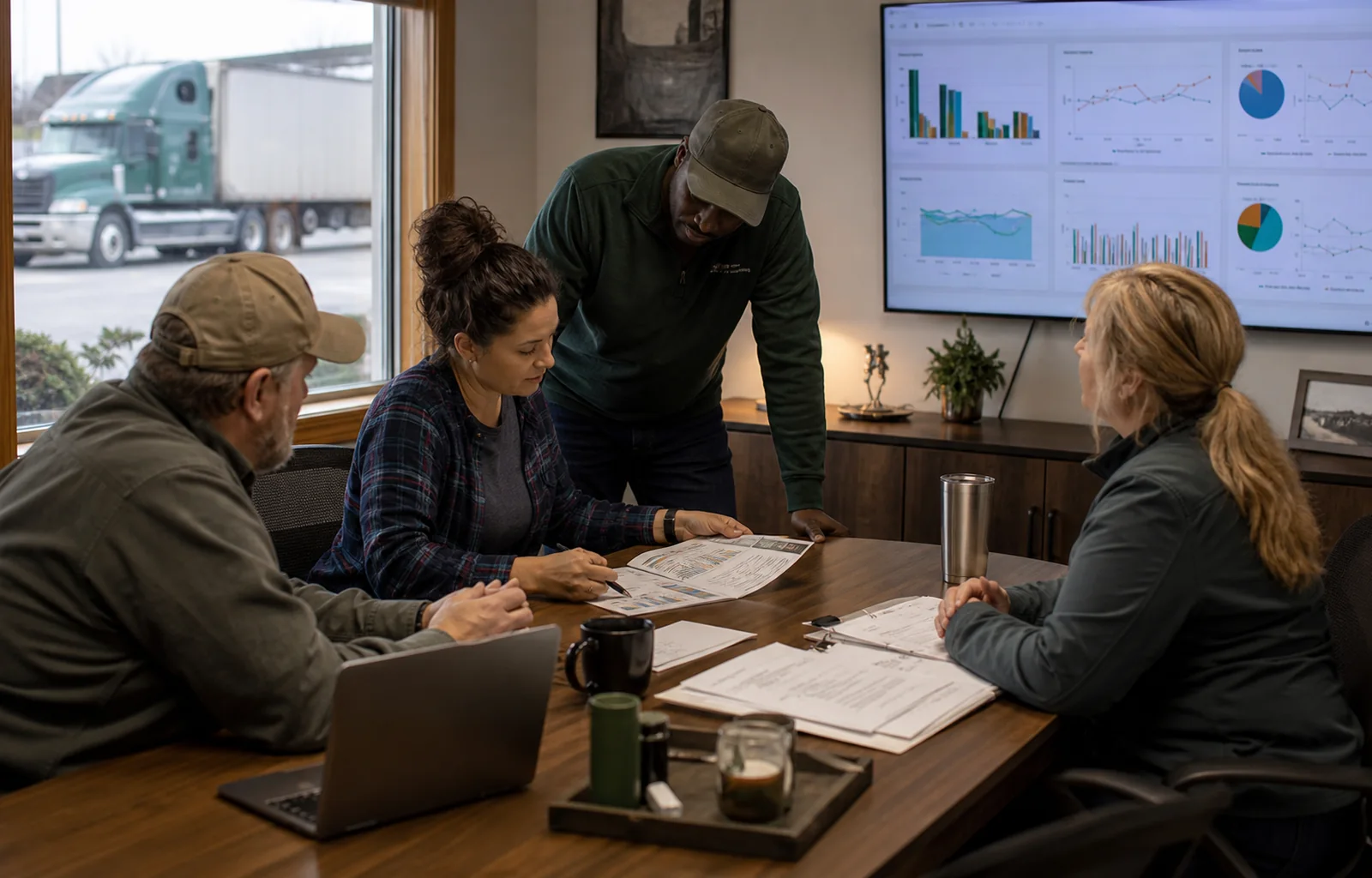
That distinction should shape training. Teach people to describe what they actually observed rather than attach a label to a person. Time, location, direction of travel, a vehicle description, and the actions or words that created concern are more useful than a conclusion the observer cannot verify. Recording details must never require following someone, taking a risky photograph, blocking a vehicle, or putting the observer or another person in danger.
The response path must be equally clear. FMCSA advises people not to confront a suspected trafficker or engage directly with a possible victim and to call 911 when someone is in immediate danger. Its U.S. campaign materials direct people seeking help or reporting a concern to the National Human Trafficking Hotline at 1-888-373-7888 or by texting HELP or INFO to 233733. The DHS Blue Campaign separately lists 1-866-347-2423 for reports to federal law enforcement. Current official guidance should control, particularly outside the United States.
A fleet can make that guidance usable without creating a complicated new program. Put the current reporting options in the driver app, dispatch reference, safety handbook, and any travel-center or terminal material the company controls. Name an internal contact who can support the employee after a report, but do not make internal approval a prerequisite for calling emergency services or the appropriate hotline. Drivers should know what can be reported hands-free after they have parked safely and what must wait until the vehicle is stopped.

Dispatchers and supervisors need a parallel script. If a driver calls with a concern, confirm immediate safety, collect only the operational details the driver can provide, point the driver to the correct official channel, and document the internal safety handoff. Do not broadcast personal details over a group channel or turn the report into workplace gossip. Editorial inference: a calm, privacy-conscious response is more likely to preserve useful facts and make employees willing to report future concerns.
Training also needs humility. Human trafficking can involve labor or commercial sexual exploitation, and victims and traffickers do not share one appearance, age, gender, nationality, job, or travel pattern. Stereotype-based suspicion can harm innocent people and distract from behavior that actually deserves attention. Use the official FMCSA and DHS materials, refresh them on a schedule, and avoid improvised lists copied from social media.
A short tabletop exercise can test the process without staging a dramatic scenario. Ask what a night driver does after noticing several indicators at a rest area, where the current numbers are stored, who covers the driver's load if a report delays departure, how dispatch protects privacy, and who checks the resource card for updates. The goal is not to solve a crime in the meeting. It is to make a safe, factual report possible when the next uncertain moment arrives.