
Heat readiness has to follow the work beyond the cab
A practical heat plan connects the forecast, the yard, the dock, the shop, and the driver handoff before someone has to improvise in dangerous conditions.
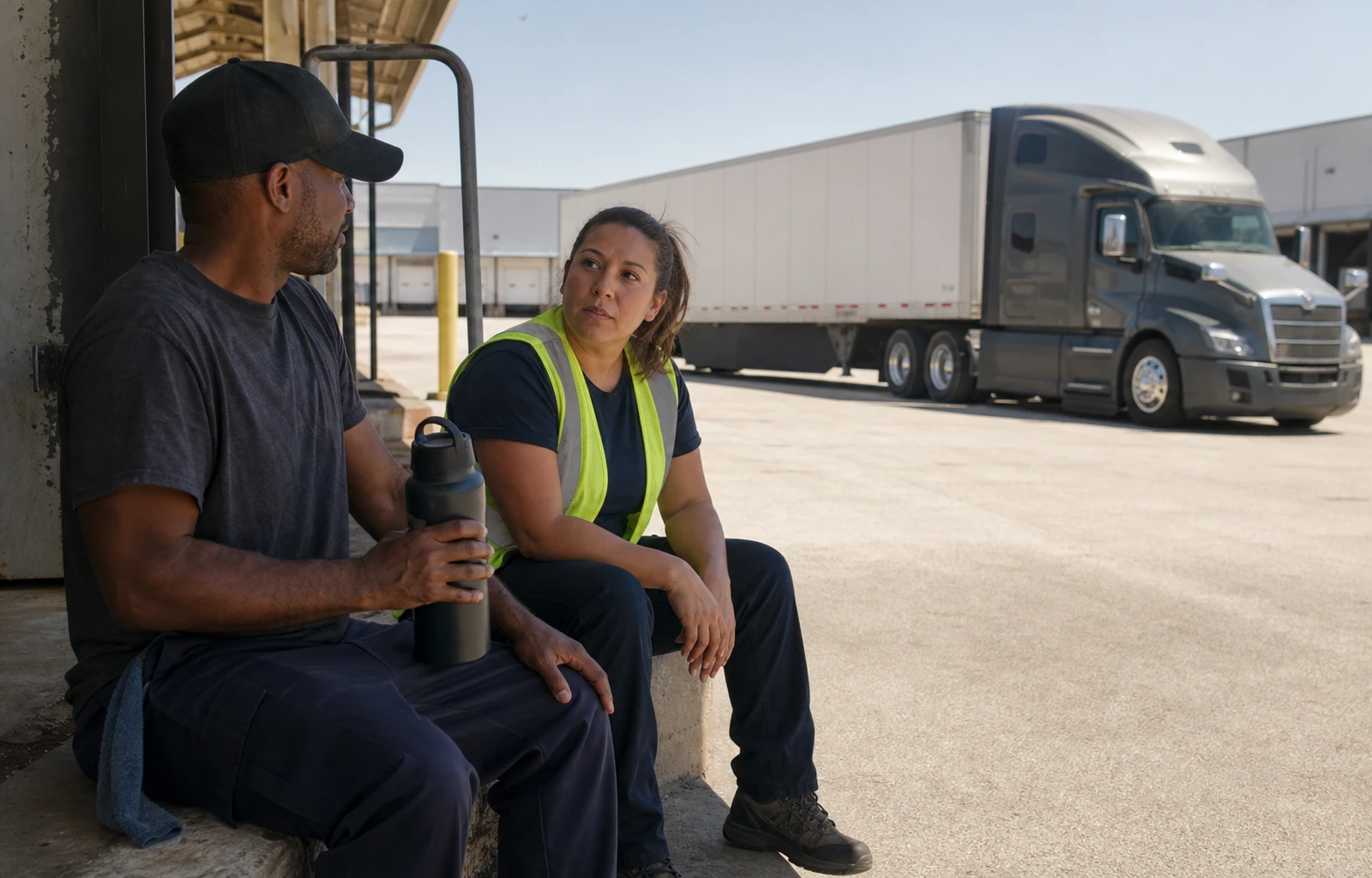
 Keep drivers, dispatch, safety, and maintenance working from one operating view.
Explore Pro FleetSync ↗
Keep drivers, dispatch, safety, and maintenance working from one operating view.
Explore Pro FleetSync ↗
A running air conditioner can make a truck cab feel separate from the heat outside, but trucking work does not stay in the cab. Pre-trip inspections, trailer connections, load checks, yard moves, roadside delays, dock waits, and shop work can all put people in hot indoor or outdoor conditions. A useful heat plan follows those transitions instead of treating the forecast as a driver's private problem.
The Occupational Safety and Health Administration says heat-related illnesses can be prevented and calls for employers and workers to recognize heat hazards. The National Institute for Occupational Safety and Health similarly recommends engineering and work-practice controls, training, cool potable water near the work, recovery time in a cool area, heat alerts, and an acclimatization plan when heat is a workplace hazard.
For a carrier or facility, the first operational question is where exposure will occur during the shift. Dispatch may see a long live-load appointment. A yard supervisor may know that trailer checks are happening on open pavement. Maintenance may be planning an outdoor repair. Mapping those tasks gives the team a better starting point than one temperature reading at the terminal.
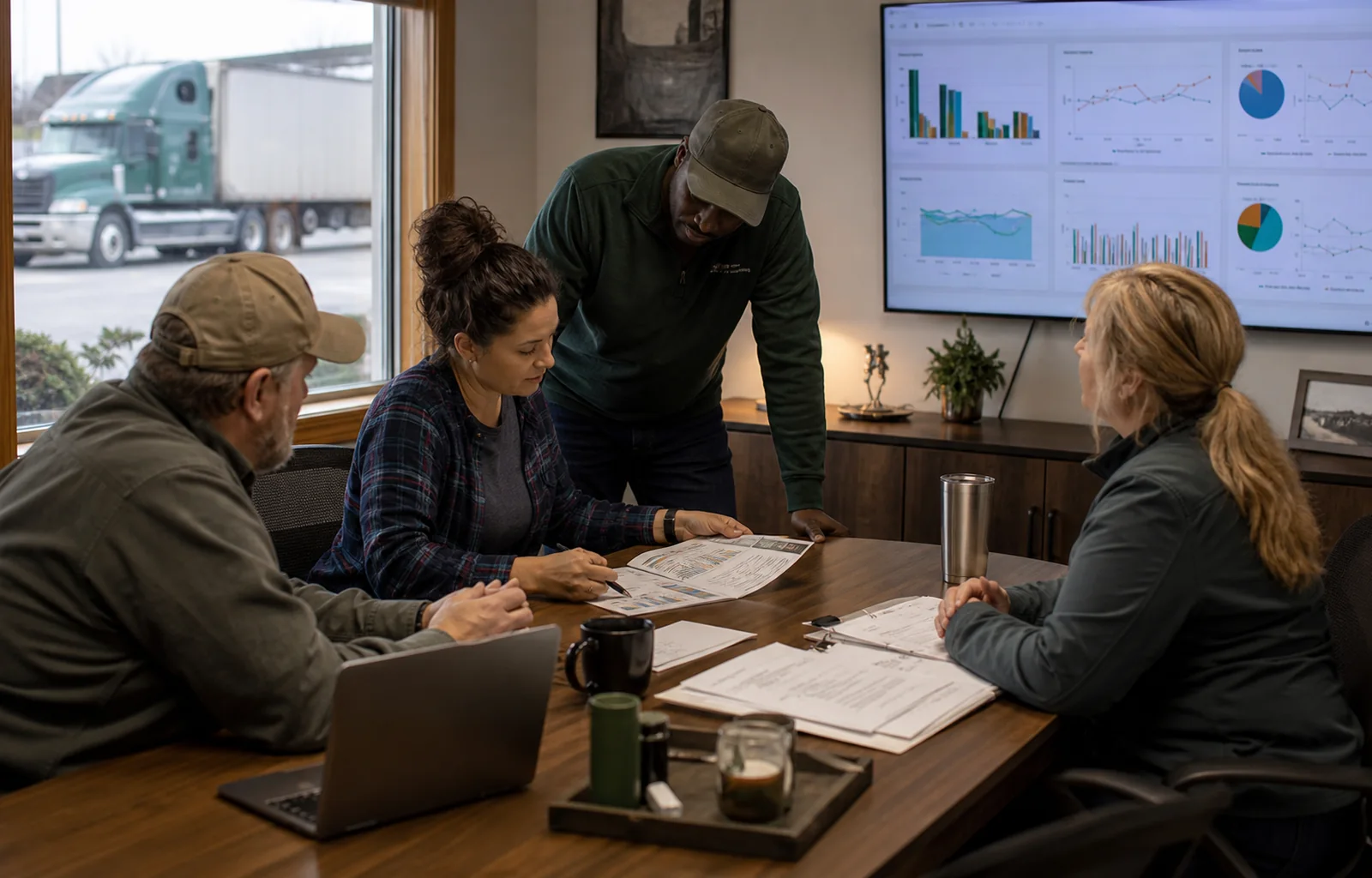
The second question is whether water and a cooling location are actually reachable from the task. A case of water in an office does little for someone working at the far end of a drop lot. Each site or route brief should identify who checks the supply, where workers can cool down, and how a driver who is away from the terminal can report that the plan is not working.
Work and rest decisions should also reflect the job, not only the air temperature. NIOSH advises increasing rest as temperature, humidity, sunshine, physical effort, protective clothing, or limited air movement increase. Loading freight, cranking landing gear, handling tarps, inspecting equipment, and working inside a trailer can create different demands even when they happen at the same address.
New and returning workers deserve extra attention. NIOSH says acclimatization should gradually increase heat exposure over seven to fourteen days and recommends close supervision of new workers during their first fourteen days or until fully acclimatized. That makes schedule changes, extended absences, and transfers into hotter work practical planning events rather than details to discover after symptoms appear.
A buddy system is useful only when people know what to do with what they observe. Drivers, technicians, dock workers, and supervisors should know the reporting path, the available cool area, and who can stop or reassign work. No one should have to negotiate the procedure while a coworker is becoming confused, dizzy, weak, or unusually irritable.
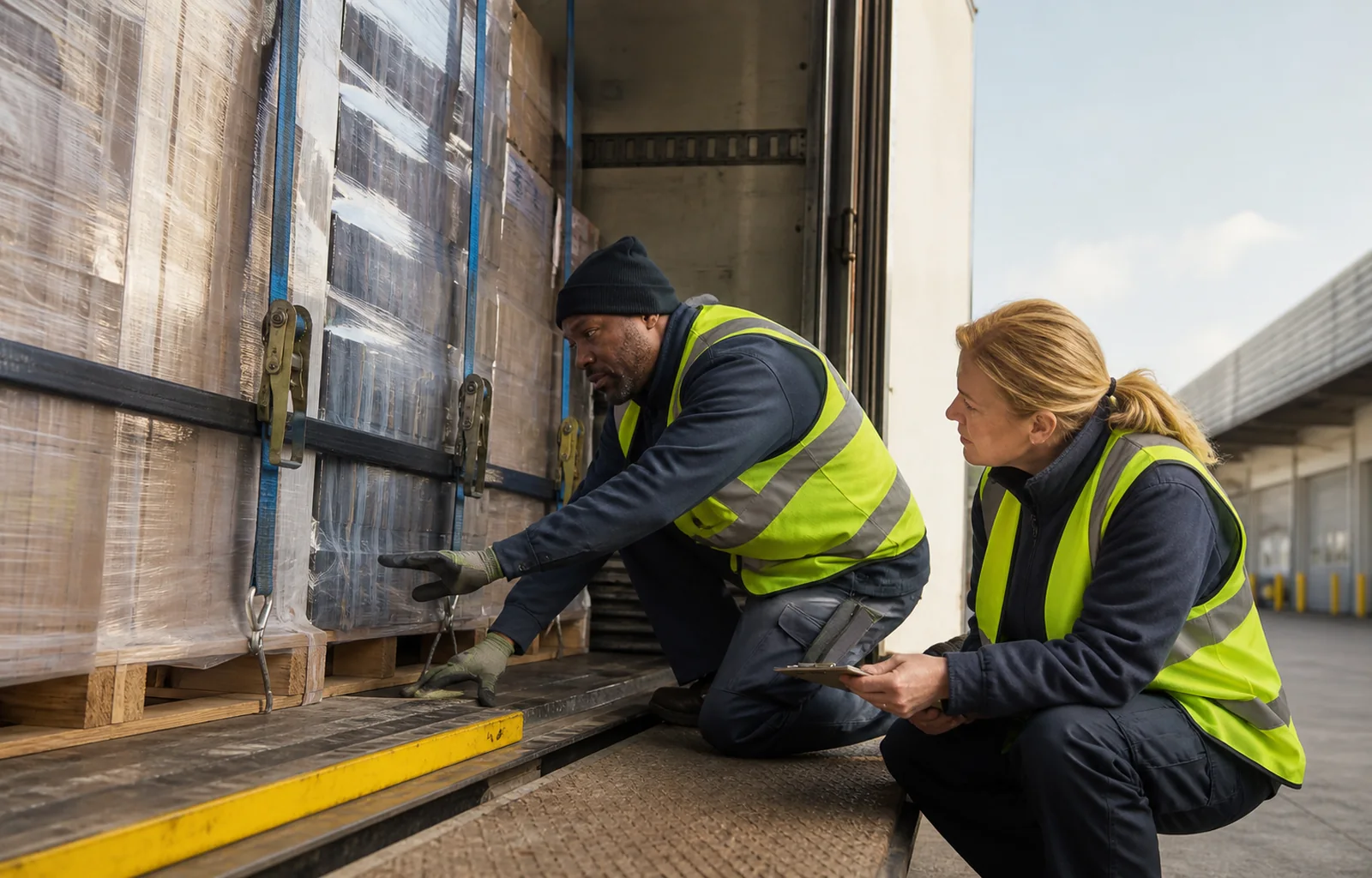
Emergency recognition needs a clear line. NIOSH lists confusion, altered mental status, slurred speech, loss of consciousness, seizures, and very high body temperature among signs of heat stroke. Its direction is to call 911, stay with the worker, move the person to a shaded or cool area, remove outer clothing, and cool the worker quickly while emergency help is coming. Current official guidance should control any response; an article is not a substitute for medical training or professional care.
The final control is the handoff. Dispatch should be able to pass a heat concern to the next facility, the yard should be able to alert the shop, and a supervisor should be able to document what changed for the next shift. A short record of the condition, action, owner, and follow-up turns an uncomfortable moment into an operating lesson.
Heat readiness is strongest when it is ordinary: the forecast is checked, high-exposure work is identified, water and recovery space are confirmed, new workers receive added protection, and everyone knows the emergency path. That is a fleet-wide process, not a bottle of water left to chance in one truck.