
A random test notification needs an open collection site
A selection list is only the beginning. Plan the immediate collection trip, distinguish alcohol timing from drug testing, and give the driver a live contact when a clinic cannot collect.
 Connect the records, conversations, and follow-up that keep a carrier moving.
See how it works ↗
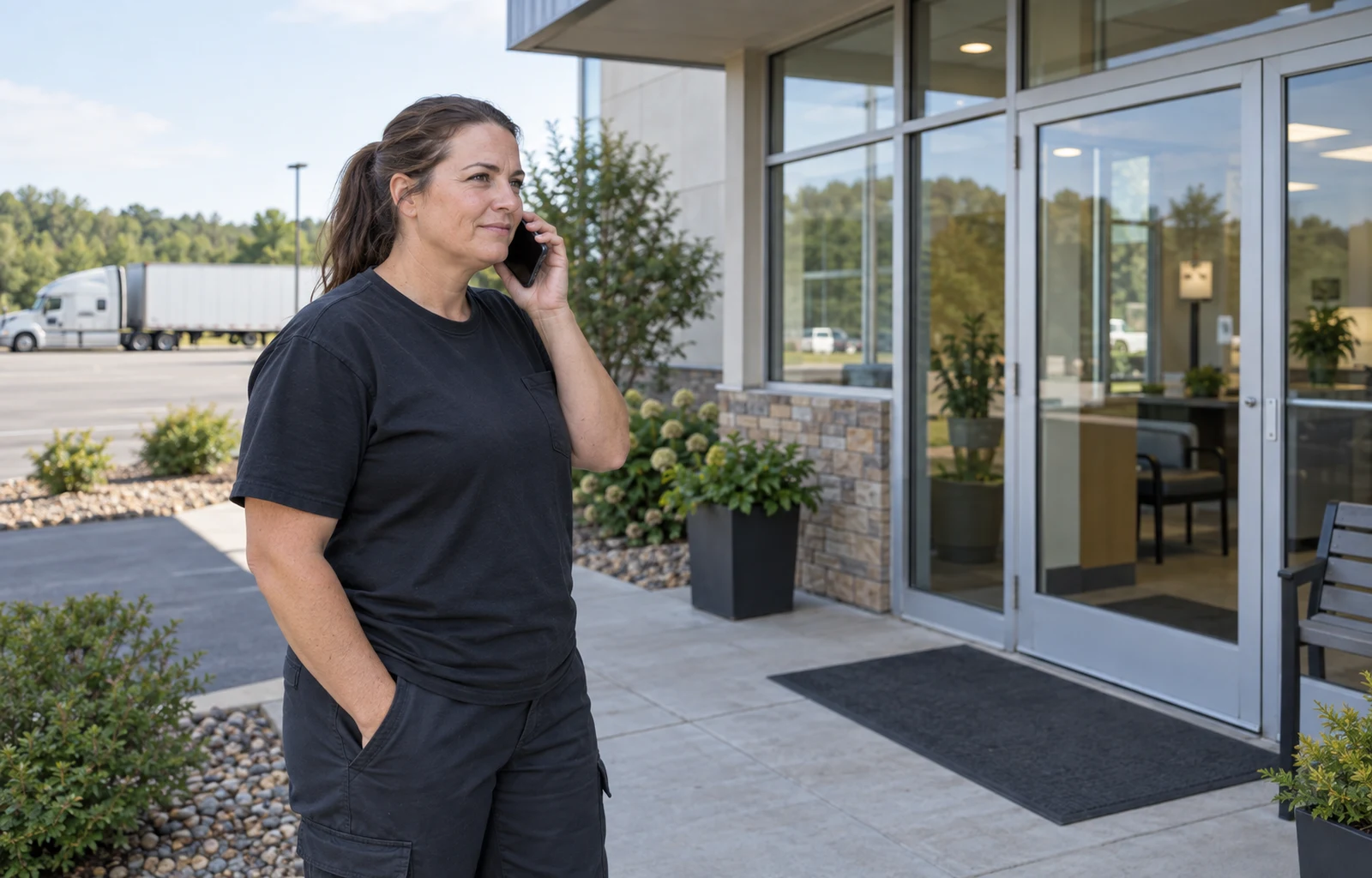
A driver arrives for a random test and finds the collection office closed. The load is waiting, the selection notice is still active, and a phone number leads to voicemail. That is a collection handoff problem a carrier can prepare for before it occurs. This resource asks what should happen between notification and completed collection for drivers covered by FMCSA's Part 382 program, generally those operating CDL-required commercial vehicles, subject to the rule's exceptions. It explains existing requirements, not a newly announced testing rule or an actual incident. The practical routing and recordkeeping suggestions below are editorial analysis; they do not decide any individual's test outcome or legal status.
Keep the selection period separate from the driver's response to notification. Under 49 CFR 382.305, selections must use a scientifically valid method, give covered drivers an equal chance each time, and produce testing during the selection period. Tests must be unannounced and spread reasonably through the year. Once notified, the driver must proceed immediately to the test site. The rule addresses a driver performing a safety-sensitive function other than driving: the employer must ensure that the driver stops that function and goes as soon as possible. Editorial inference: a period-end deadline is not permission to notify a driver now and leave collection until the next convenient delivery. The assignment needs a real destination and a responsible contact at the moment of notice.
Check which test is being arranged. Random alcohol testing is limited to the time during, just before, or just after safety-sensitive functions under section 382.305(m). DOT's random-testing best-practices guide describes drug testing while the employee is on duty, including duties beyond driving. The guide also rejects the idea that immediate reporting means an automatic two-hour allowance. It advises discreet notification, collection-site availability checks, and clear procedures for employees working away from the terminal. Editorial inference: before giving notice, confirm the collection service and its hours, the location, and how the driver can reach it. Arrange a safe equipment and freight handoff when needed. Give directions and contacts while the driver is safely stopped; collection urgency is not a reason to handle messages while driving.
A closed clinic does not erase the test. FMCSA's guidance on unforeseen collection obstacles says the driver should immediately contact the designated employer representative, or DER, for instructions to an alternative site. A closed office, unavailable collector, or emergency does not remove the employer's responsibility to ensure the required test occurs. Editorial inference: give the driver an answered escalation route rather than a general switchboard, and keep an alternate collection option that the DER can verify. Record the arrival time, obstacle, contact attempts, and subsequent instruction. Do not silently mark the visit complete, send the driver back to the load without resolving the test, or leave the driver to choose an unfamiliar service alone. A collection-site failure calls for coordination, not speculation about impairment.
Do not replace a selected driver simply because the appointment is inconvenient. FMCSA permits alternates when the original driver will be unavailable throughout the selection period because of a long-term absence, and requires documentation of the reason for testing an alternate. Being away from the terminal today is a different fact from being unavailable for the entire period. Nor should a driver assume a prior test exempts the next selection: DOT explains that genuine random selection can repeatedly pick the same person. Leaving a drug collection before completion can have serious consequences under 49 CFR 40.191; the employer must determine whether the conduct constitutes a refusal. Editorial inference: preserve what actually happened, obtain program-specific instructions promptly, and avoid a casual dispatcher conclusion that either clears the incident or labels it a refusal.
Make the handoff usable outside normal office hours. Editorial inference: the driver's instruction should identify the required collection, destination, live DER contact, and what to do if collection cannot begin. The carrier's restricted record should connect the selection period, notice time, collection time, and any documented exception without broadcasting sensitive testing information through a general dispatch channel. DOT recommends reconciling selections against completed tests during the period rather than waiting until its end. An owner-operator also has employer duties: section 382.103 requires a random pool of at least two covered employees when the employer employs only themself as a driver. DOT recommends written notification procedures for these arrangements. Rehearse the closed-office scenario with the consortium or service agent and the carrier's actual contact chain. The useful result is an immediate, workable route to collection, with an accountable response when that route fails.